
Vocal Projection and Pace: Control Your Speaking Voice
Master breathing techniques and pacing methods that make you sound more authoritative. Your voice is more powerful than you think.

Why Your Voice Matters More Than You Think
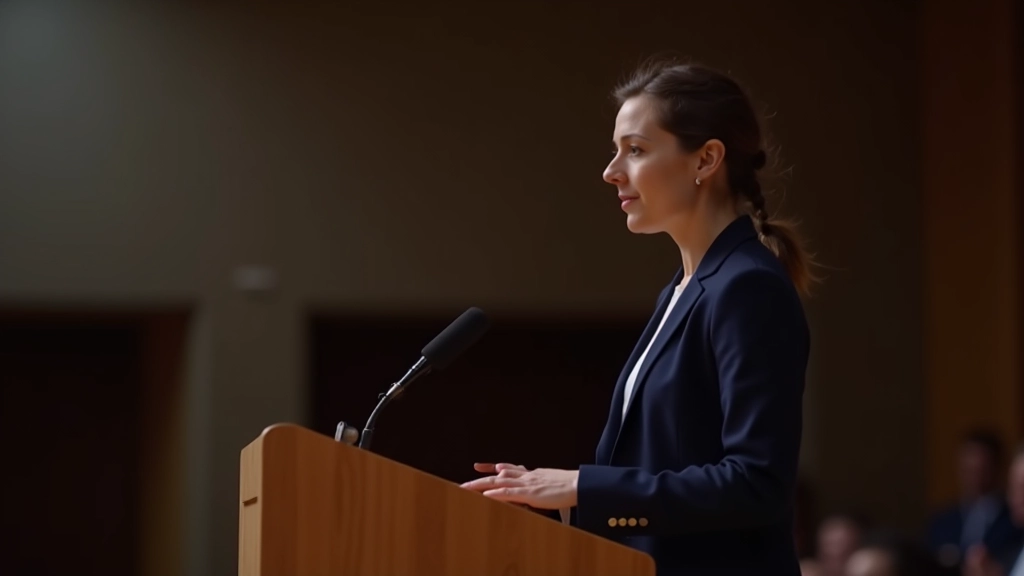
You’ve got the right message. You know what you want to say. But when you step in front of an audience, something shifts. Your voice shrinks. Words tumble out too fast. People in the back rows lean forward, straining to hear.
Here’s the thing — it’s not about having a naturally loud voice. It’s about understanding how your voice actually works and controlling it deliberately. Most speakers never learn this. They rely on habit, and habit is often wrong.
When you master vocal projection and pacing, something shifts in how people perceive you. You’ll sound more confident. More trustworthy. More like someone worth listening to. And the best part? It’s completely learnable. You don’t need special talent — you need technique and practice.
Start With Your Breath: The Foundation of Everything
Vocal projection doesn’t come from your throat. It comes from your diaphragm. Most people breathe shallowly — their shoulders rise and fall with each breath. That’s backward. Your diaphragm is a muscle beneath your lungs, and when you use it properly, you get volume and control without strain.
Here’s what to practice: Stand comfortably. Put one hand on your chest, one on your belly. Breathe in slowly through your nose for a count of four. Your belly hand should move out, not your chest hand. Hold for a count of four. Exhale for a count of six, letting your belly fall naturally. Do this ten times, three times a day. You’ll feel the difference in about two weeks.
Why does this matter? Because when you breathe from your diaphragm, you have air support underneath your words. You don’t have to strain your throat. You don’t get hoarse. You sound calm and controlled, even when talking to a room of 200 people. The breath is your power source.
Projection: Reaching Every Ear in the Room
Projection isn’t yelling. It’s not about volume for volume’s sake. It’s about directing your voice deliberately. Imagine speaking to someone 30 feet away — not shouting at them, just speaking clearly and firmly enough that they hear every word.
The technique: Keep your jaw relaxed. Open your mouth slightly wider than normal — not exaggerated, just noticeably open. Shape your words clearly. Focus on your consonants especially. A crisp “t” sound at the end of “about” makes a huge difference in clarity. Speak from your diaphragm (remember that breathing practice?) and let your breath push the words out, not your throat muscles.
When you’re practicing, stand in a large room or outdoors. Pick a target — a wall, a tree, a person 40 feet away. Speak to that target. Not loudly, but with intention. Notice how your voice travels. You’ll find a sweet spot where you sound powerful but comfortable. That’s your projection voice. Train it consistently, and it’ll become automatic.


Pace: The Rhythm That Keeps People Engaged
Speed kills presentations. Not literally, but it kills engagement. When speakers get nervous, they rush. Words blur together. Audiences can’t process information fast enough. Then they stop trying. They check their phones.
The average comfortable listening speed is around 150 words per minute. Most nervous speakers hit 200+ wpm. You’re essentially talking too fast for people to follow. Here’s how to fix it: Record yourself speaking for two minutes. Count the words. Divide by two. If you’re above 160 words per minute, you’re too fast. Most speakers need to slow down by about 20-30%.
But it’s not just about speed. It’s about pauses. A two-second pause after an important point lets it land. It gives your audience time to absorb. It also gives you time to breathe and reset. Powerful speakers pause frequently. They’re comfortable with silence. They use it strategically. Try this: At the end of each thought or sentence, pause for two full seconds. Count them mentally. It’ll feel uncomfortable at first — it always does. But watch how people lean in, listen harder, remember more.
Your Practice Routine: Three Weeks to Noticeably Better Speaking
Foundation Building
Diaphragmatic breathing practice for 10 minutes daily. Record yourself reading a 300-word passage. Listen back and count your words per minute. Note how you sound. No changes yet — just awareness.
Adding Technique
Continue breathing practice. Practice projection in a large room, speaking to a target point. Deliberately slow your speech to 150 wpm. Add intentional pauses. Record again. Compare to Week 1. You’ll hear the difference.
Integration and Refinement
Practice with actual presentation content. Record yourself presenting a five-minute talk. Pay attention to moments where you rush or get quiet. Do a second take immediately, applying the techniques. Notice how confidence builds with each attempt.

Common Mistakes and How to Fix Them
Mistake 1: Projecting From Your Throat
You sound strained. Your voice gets hoarse. You can’t sustain it for long presentations. Fix: Go back to diaphragmatic breathing. Your power comes from below, not from your neck muscles. Practice projection exercises with proper breathing support, and the strain disappears.
Mistake 2: Rushing Through Content
You finish 30 minutes of content in 18 minutes. Your audience feels overwhelmed and can’t keep up. Fix: Record yourself. Actually time it. Slow down intentionally. Add pauses. It’ll feel weird. Do it anyway. After three presentations at the right pace, it’ll feel natural.
Mistake 3: No Variation in Pace or Pitch
You sound monotone and boring, even with good content. Fix: Vary your speed. Slow down for important points. Speed up slightly during transitions. Lower your pitch slightly when you want to emphasize something. These small variations keep audiences engaged.
Mistake 4: Swallowing Mid-Sentence
Your words get cut off. You lose power and clarity at critical moments. Fix: Drink water before presenting. Take full pauses between thoughts where swallowing is natural. Don’t swallow mid-sentence — pause, swallow, continue.
Your Voice Is Your Tool — Use It Deliberately
Vocal projection and pace aren’t complicated. They’re not mysterious. They’re techniques that anyone can learn with consistent practice. Spend three weeks on the breathing foundation and projection practice. You’ll be surprised at how much you improve. People will actually ask you what changed.
The speakers who command rooms aren’t naturally gifted. They’re trained. They understand how their voice works. They’ve practiced deliberately. They use pauses strategically. They speak from their diaphragm, not their throat. You can do all of this. It takes commitment, but it’s completely achievable.
Start today. Do the breathing exercise. Record yourself speaking. Listen back. Notice what you hear. Then pick one thing to work on this week. Next week, add another. In a month, you’ll sound noticeably more confident. In three months, people will perceive you differently. That’s the power of controlling your voice.
Ready to Take Your Speaking Further?
These techniques work best when combined with overall presentation training. Explore other fundamental skills to build complete speaking confidence.
Explore More Speaking SkillsDisclaimer
This article provides educational information about speaking techniques and vocal projection methods. The strategies described are intended to help you practice and improve your presentation skills. Results vary based on individual effort and practice consistency. If you experience any physical discomfort while practicing these techniques, consult with a speech therapist or voice coach for personalized guidance. This content is not a substitute for professional coaching or training, which may be beneficial for addressing specific speaking challenges.